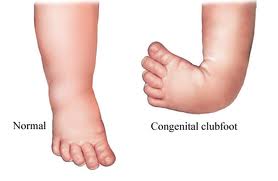
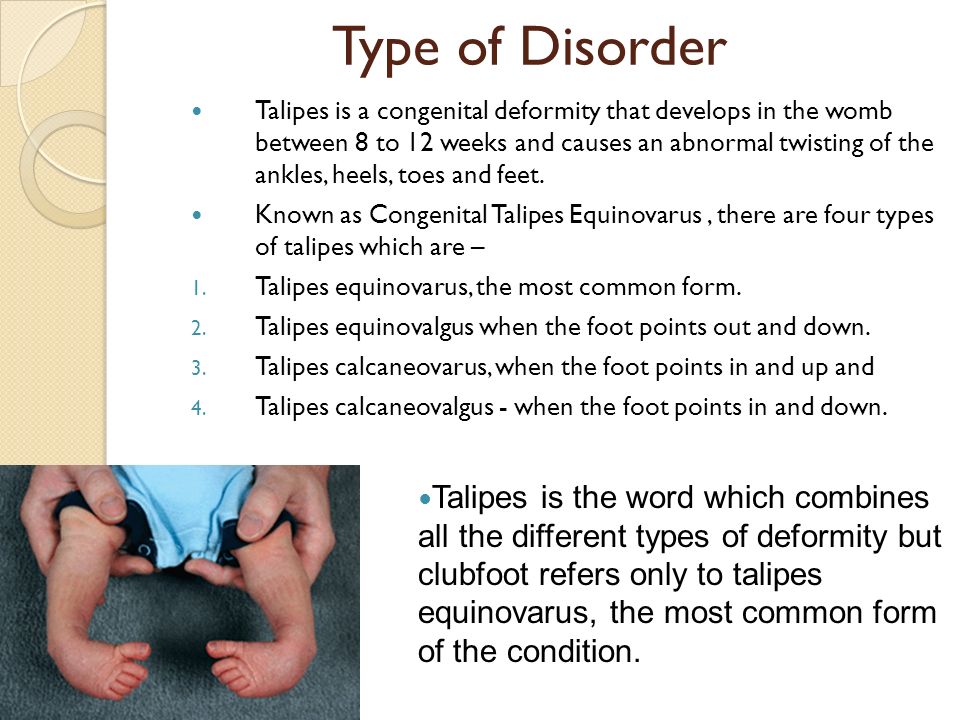
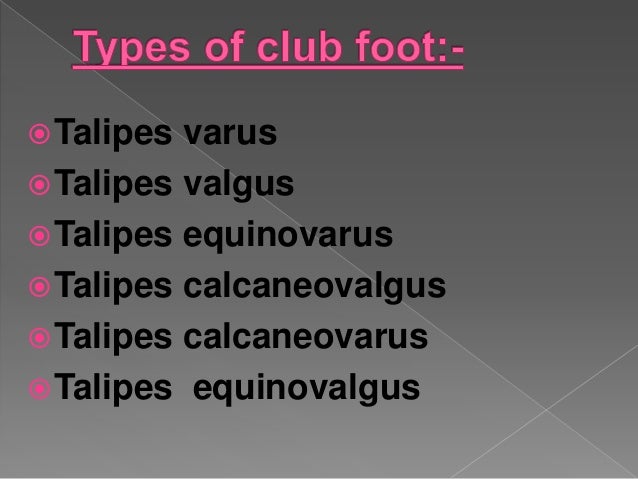
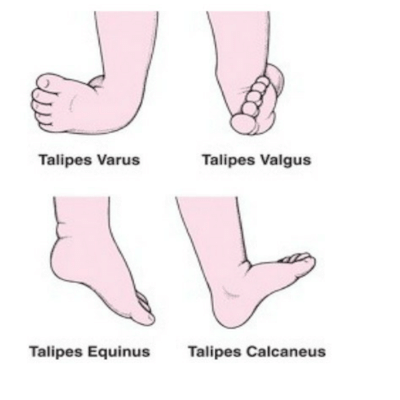
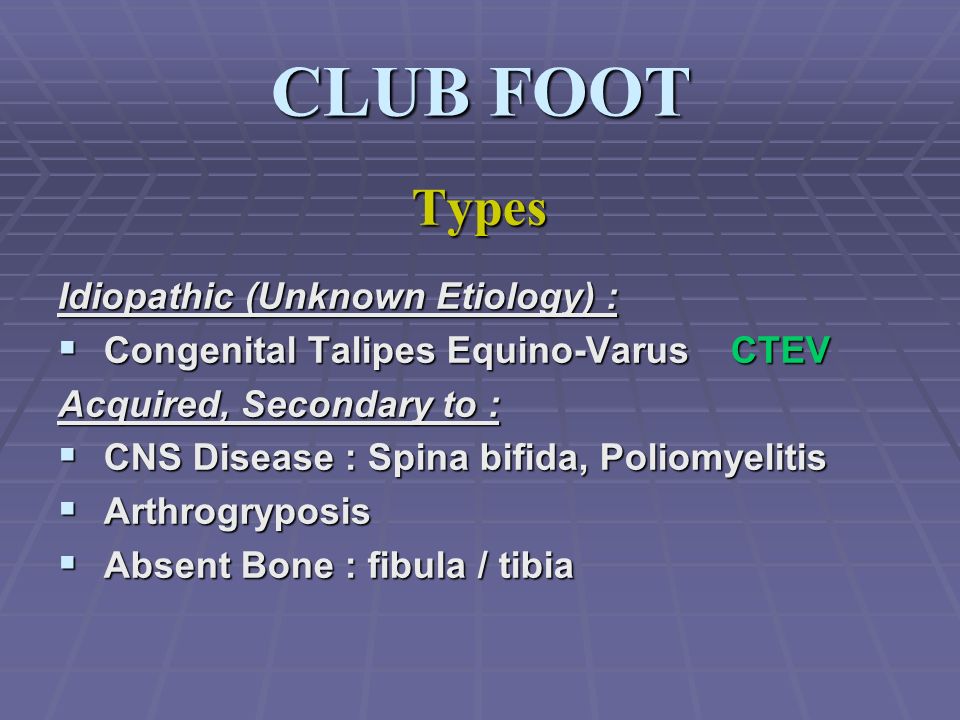
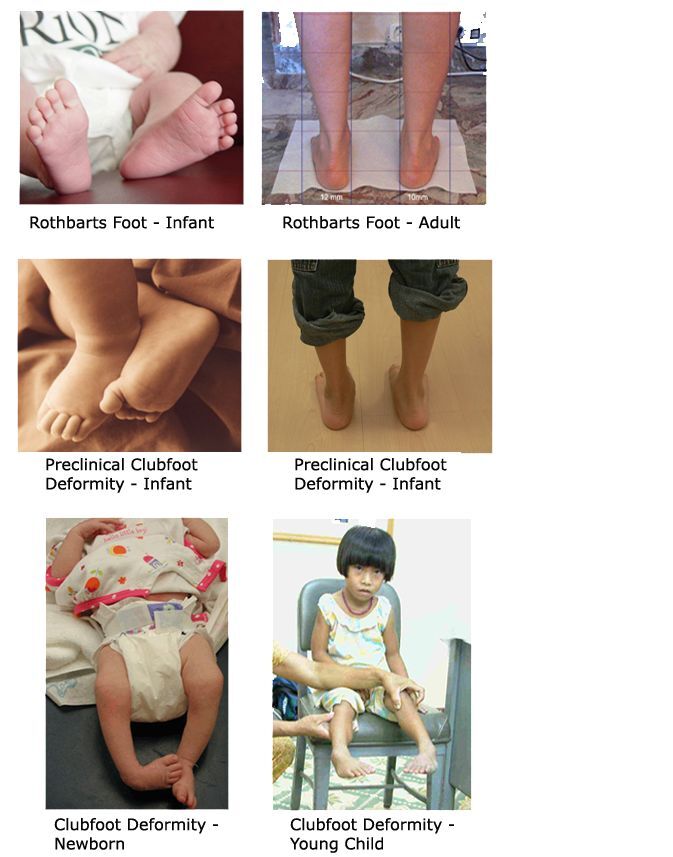
There are several types of clubfoot that are jointly known as 'talipes', as the deformity is mostly in the talus (a bone in the ankle) The most common of the talipes is what is known as "talipes equino varus" it is so common that the word clubfoot is commonly used to refer to this In talipes equino varus, the child is born with the foot pointing down and twisted inwards at the ankleClubfeet must be classified according to severity to obtain reference points, assess the efficacy of orthopaedic treatment, and analyze the operative results objectively A scale of 0 was established on the basis of four essential parameters equinus in the sagittal plane, varus deviation inCavus in the midfoot is the first part of the deformity of clubfoot The arch of the foot is higher than normalas a result of the first metatarsal being plantarflexed in relation to the calcaneum and hindfoot Adductus is movement towards the midline Adductus is
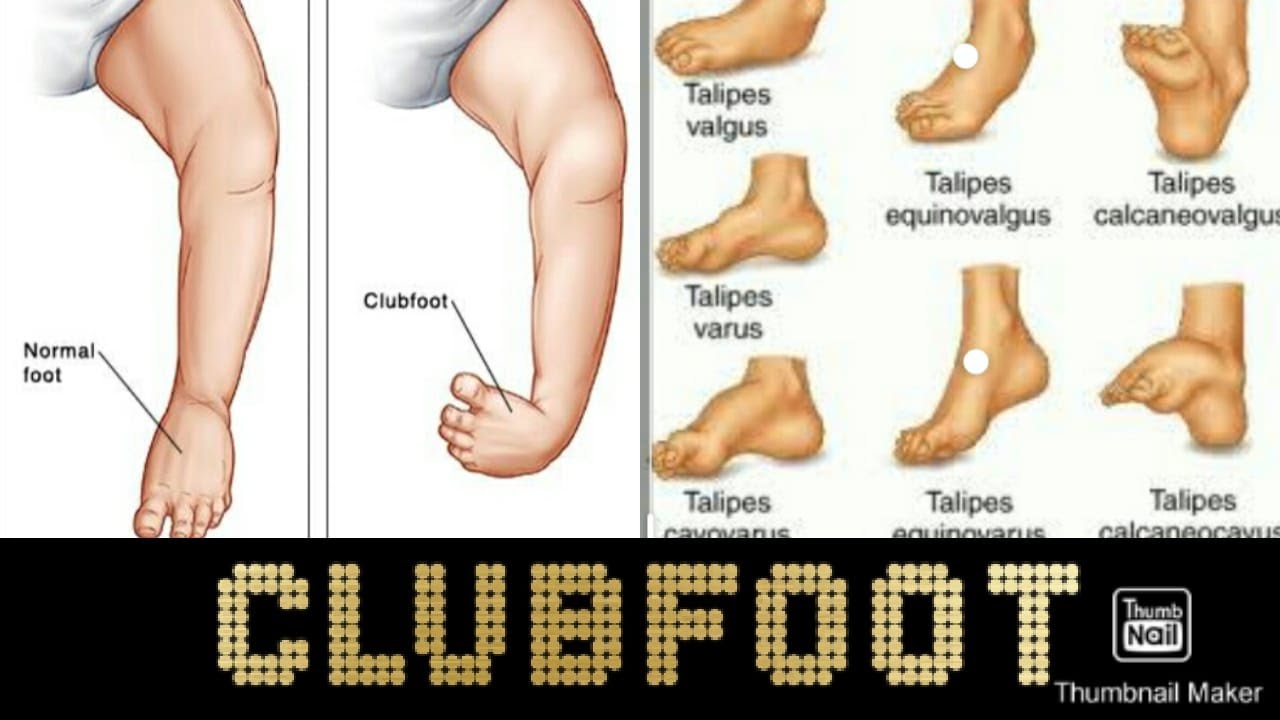
Clubfoot Its Types And Causes Simplified In Hindi Youtube
Are there different types of clubfoot
Are there different types of clubfoot-Clubfoot Clubfoot, also known as talipes equinovarus, is a congenital (present at birth) foot deformity in which the foot is curved toward the middle of the body, and the toes point downward It affects the bones, muscles, tendons and blood vessels (of the limb) and can affect one or both feet The foot is usually short and broad in appearanceClubfoot (congenital talipes equinovarus) Clubfoot, also known as congenital talipes equinovarus, is a common idiopathic deformity of the foot that presents in neonates Diagnosis is made clinically with a resting equinovarus deformity of the foot Treatment is usually ponseti method casting
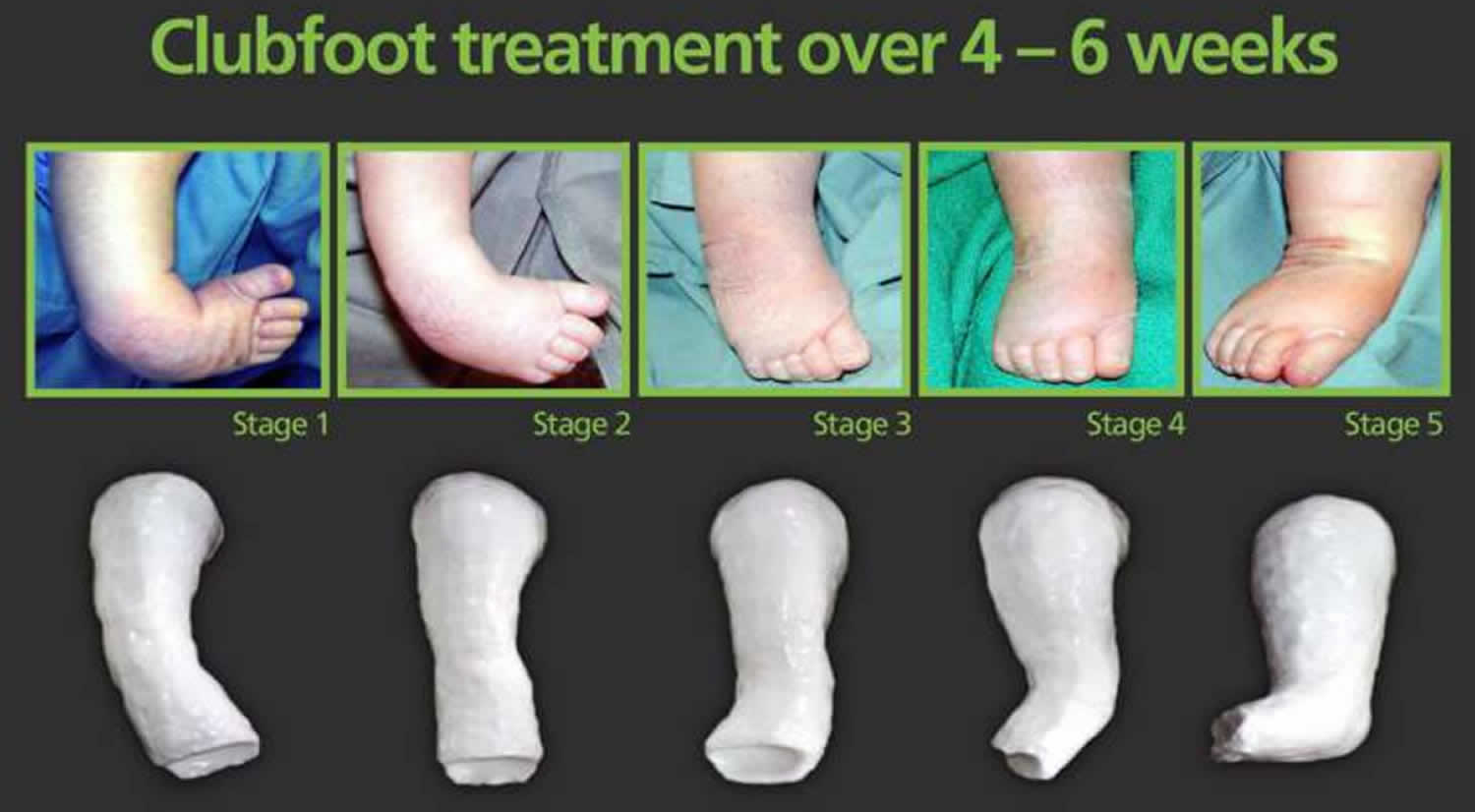


Ponseti Method For Clubfoot Treatment
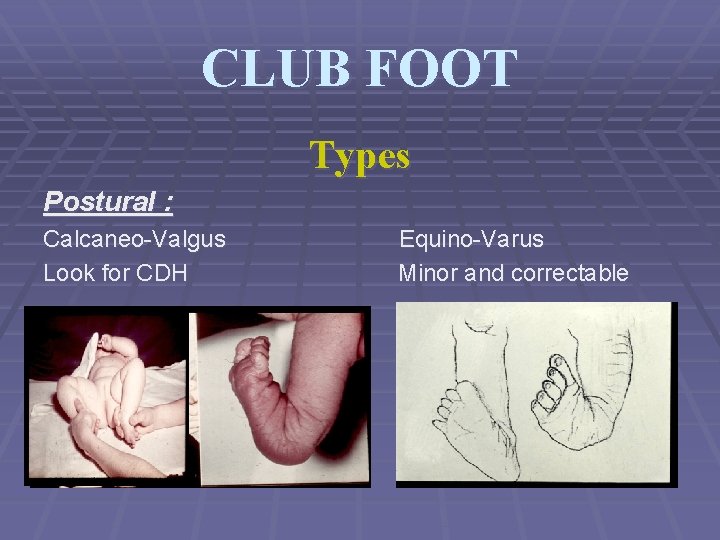
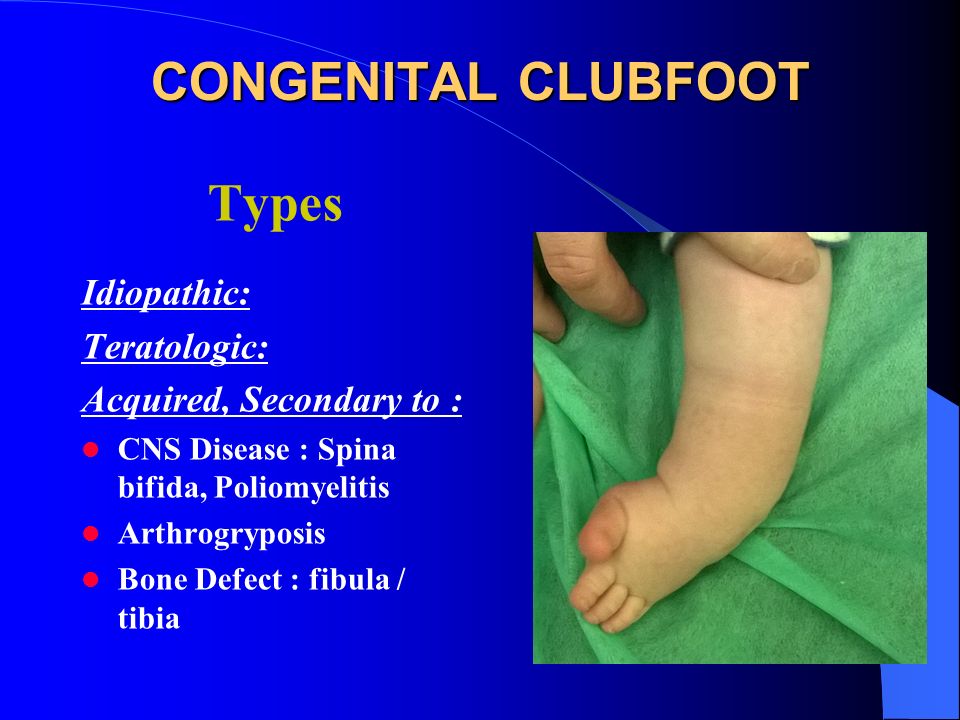
This is a variation of the club foot, with a disk underneath an ovalshaped block of wood They are often at the base of cabriole legs and are indicative of Queen Anne furniture Spade Foot Popularized by Chippendale in the mid18th century, the spade foot is rectangular that is wide at the top and tapers to a narrow base 10 The NHS says "Club foot affects about 1 baby in every 1,000 born in the UK Both feet are affected in about half of these babies It's more common in boys" Club foot is usually diagnosed at birth, but it is possible to spot it during an ultrasound scan in CLUB FOOT Types Idiopathic (Unknown Etiology) CongenitalTalipes EquinoVarus CTEV Acquired, Secondary to CNS Disease Spina bifida, Poliomyelitis Arthrogryposis Multiplex Congenita Absent Bone fibula / tibia 10 CTEV MOST COMMON CONGENITAL FOOT DISORDER MALES 1/1000 LIVES BIRTHS 11
Foot deformities are a heterogeneous group of congenital and acquired conditions involving structural abnormalities or muscular imbalances that affect the function of the foot The deformities are classified according to clinical appearance The most recognizable congenital foot deformity is the clubfoot deformity, which is characterized byTypes of clubfoot Clubfoot is often broadly classified into two major groups Isolated (idiopathic) clubfoot is the most common form of the deformity and occurs in children who have no other medical problemsClubfoot, known as congenital talipes equinovarus, is one of the complex paediatric foot deformity with the incidence of 1 in every 1000 live births It consists of four complex foot abnormalities such as forefoot adductus, midfoot cavus, and hindfoot varus and ankle equinus There are a number of s
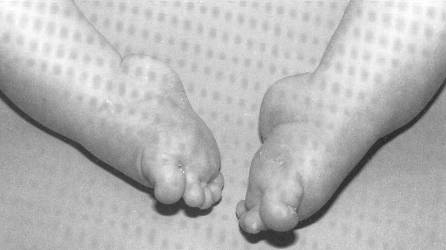
Idiopathic clubfoot The most common type of clubfoot is idiopathic, which means the cause is unknown Idiopathic clubfoot is not related to any other medical problems Feet of babies with this type of clubfoot are stiff and hard to manipulate Syndromic clubfoot Syndromic clubfoot occurs when the condition is part of a larger syndrome This type is usually more severe and difficult to Appearance Clubfoot can range from mild to severe, but typically has the same general appearance The foot is turned inward and there is often a deep crease on the bottom of the foot (Left) A child with clubfoot in both feet (called bilateral) A basic understanding of the anatomy of the horse's foot and limb is required to understand how club foot develops Figure 5 highlights the structures that are at play in this type of deformity Horses can be born with this type of deformity (congenital) or can develop the deformity later in life (acquired) Anatomy of a limb

Children Free Full Text Cross Union Surgery For Congenital Pseudarthrosis Of The Tibia Html

Recognize The Types And Methods Of Handling Club Foot In Infants Or Club Foot Window Of World
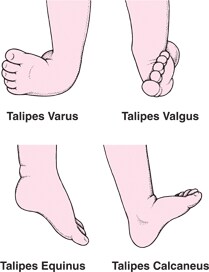
Be sure to differentiate TEV from other types of "clubfoot", such as talipes calcaneovalgus, common in trisomy 18 (in which the ankle joint is dorsiflexed instead of plantar flexed, and the forefoot deviated outwards); Congenital club foot in the human fetus A histological study J Bone Joint Surg Am 1980 Jan 62 (1)2 Scher DM The Ponseti method for treatment of congenital club foot Curr Opin Pediatr 06 Feb 18 (1)225 Hussain FN The role of the Pirani scoring system in the management of club foot by the Ponseti method A clubfoot occurs when tight tendons and ligaments prevent the foot from stretching into the right position To repair a clubfoot, 1 or 2 cuts are made in the skin, most often on the back of the foot and around the inside part of the foot Your child's surgeon may make the tendons around the foot longer or shorter
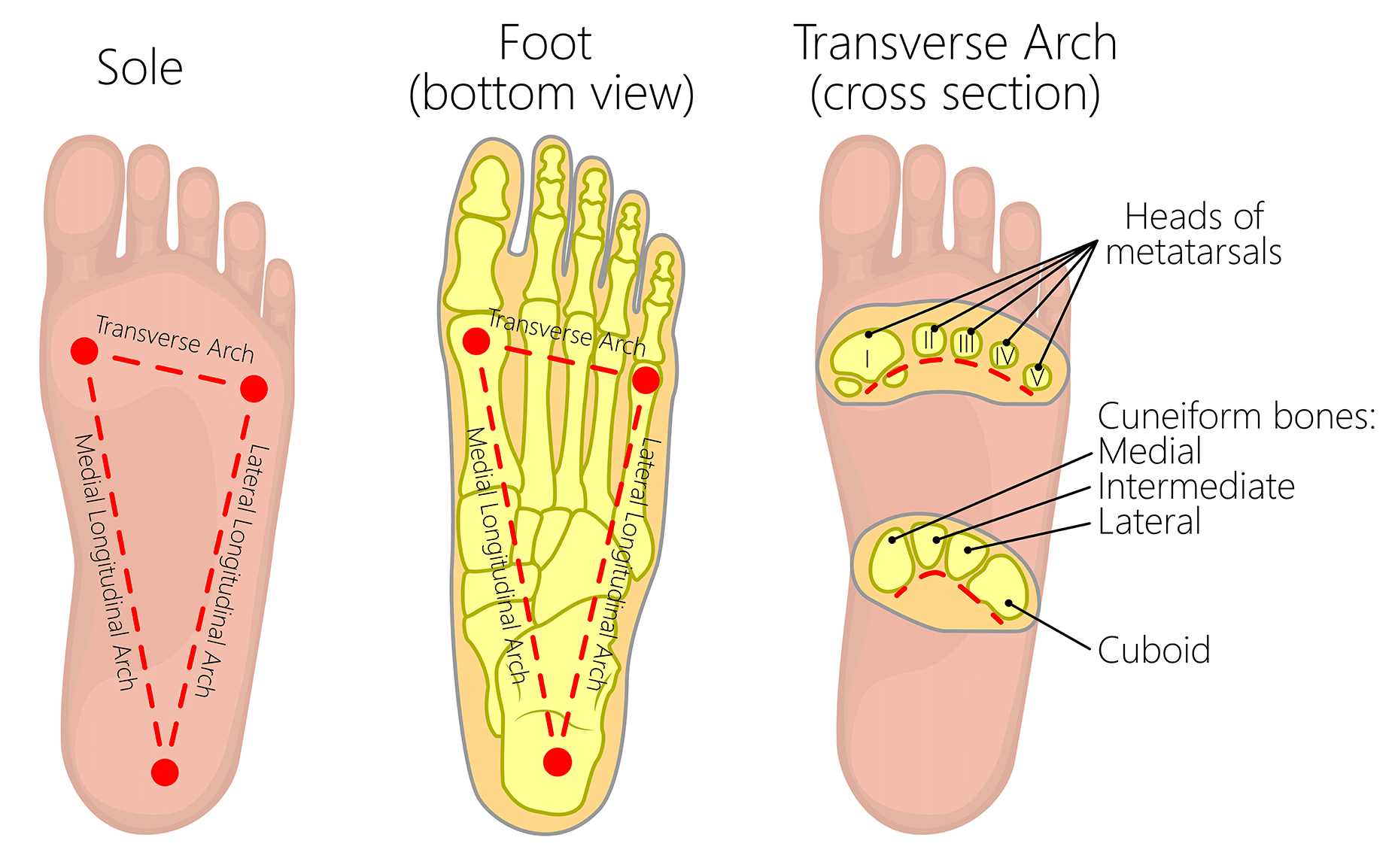
The Arches Of The Foot Longitudinal Transverse Teachmeanatomy
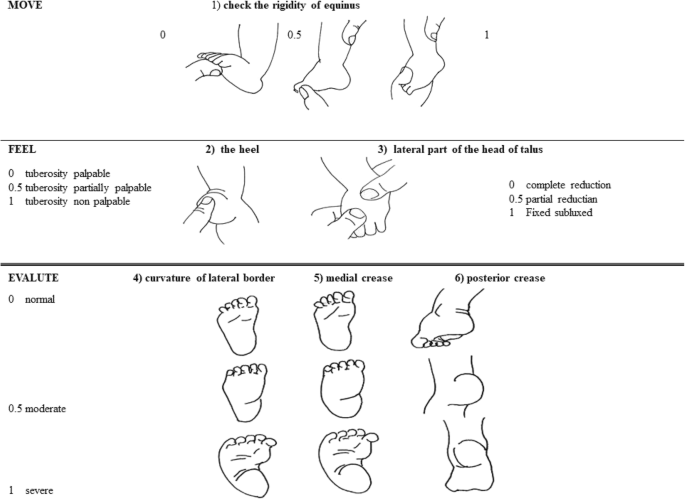
What A Paediatrician Should Know About Congenital Clubfoot Italian Journal Of Pediatrics Full Text
Achilles Tendon Lengthening If a child's clubfoot is resistant to treatment because the Achilles tendon doesn't stretch and grow as much as doctors expected after a percutaneous Achilles tenotomy was performed, doctors may recommend a procedure called Achilles tendon lengthening This procedure allows your child's foot to stretch and grow into the right positionPteris cretica cv 'Mayii' (Variegated Club Foot Fern, Silver Brake Fern) features heavily forked tips with spidery appearance It grows to around 40cm (16 inch) high and wide, so is quite a compact fern Its pale green foliage has a narrow cream stripe down the centre Resistant clubfoot—a clubfoot in which certain elements of deformities (eg equinus, varus, etc) resist nonoperative correction Relapsed clubfoot—a clubfoot in which certain elements of deformity (eg equinus, varus) relapse after initial complete correction
1

Before Going To Doctor Which Must Know About Clubfoot Rxharun
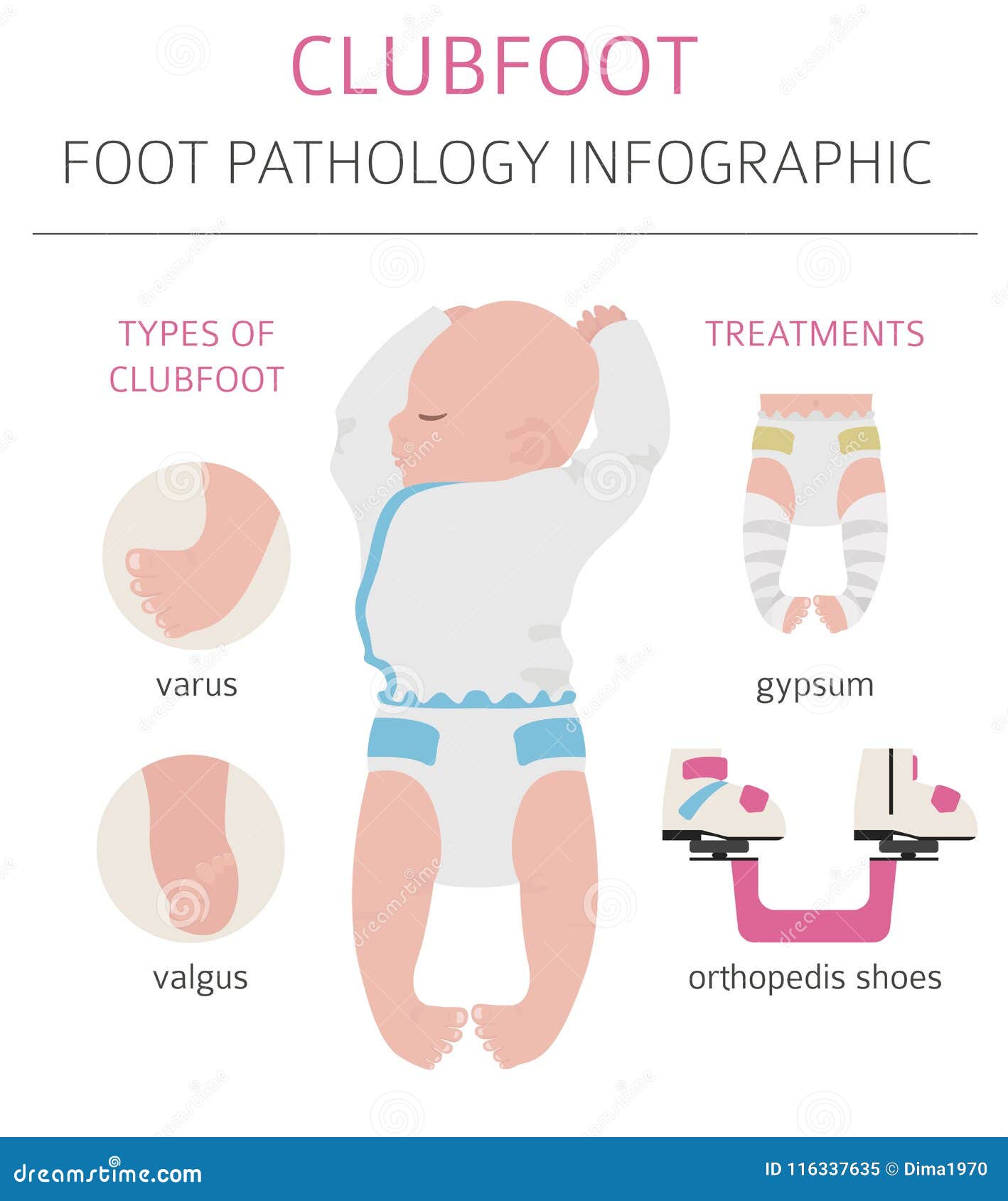
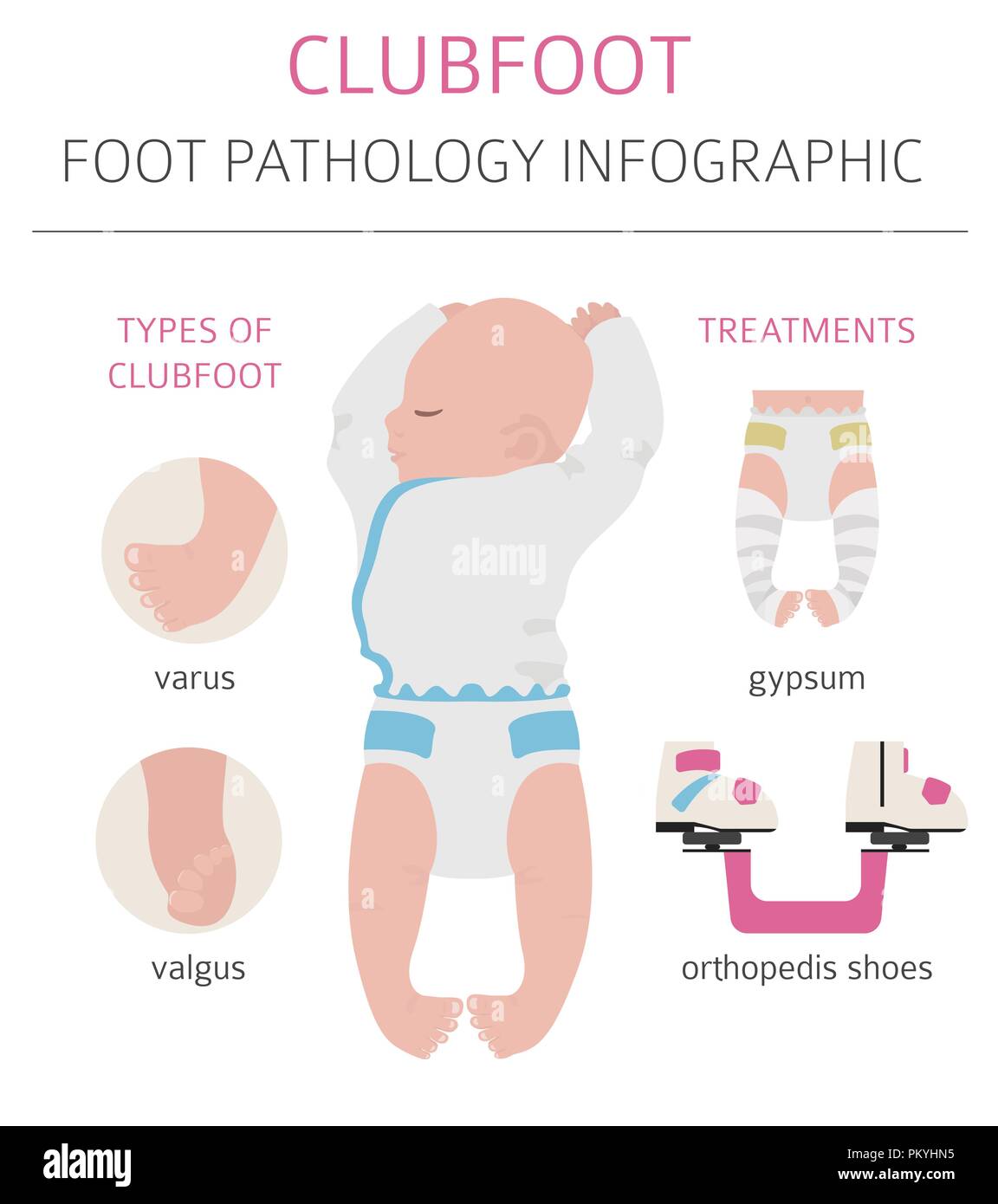
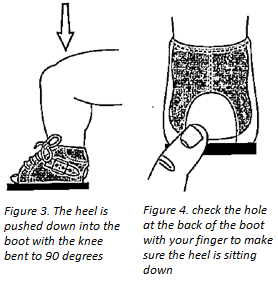
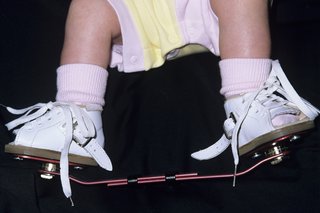
And talipes calcaneovarus (in which the ankle joint is dorsiflexed, and the forefoot deviated inwards)Clubfoot doesn't cause pain, but if it's not treated, it can make it hard for a child to walk without a limp It's easy to correct in most cases, so most children don't have longlastingClubfoot braces, called Ponseti AFO's, consist of two shoes connected by a bar Both feet are braced, even if the clubfoot is only on one side The AFOs are positioned outward If there is a single clubfoot, that AFO will be turned outward more than the unaffected foot The brace is used full time (except for bath time) for three to four months
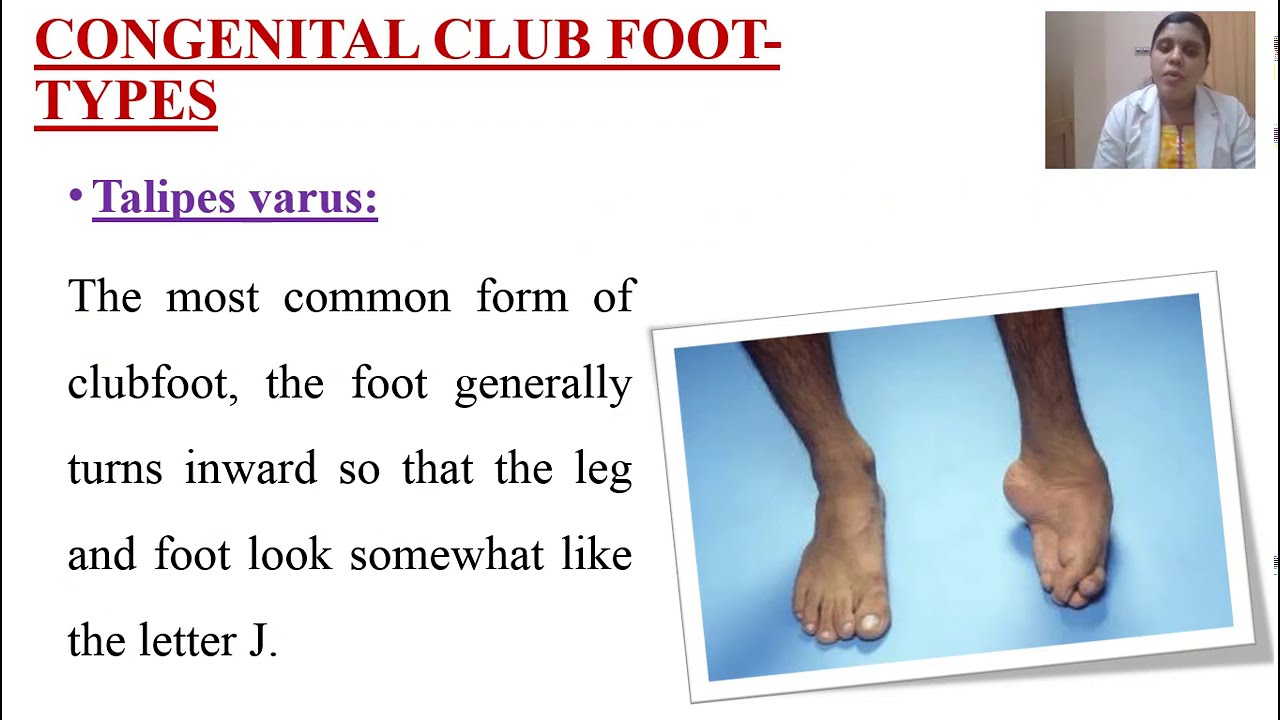
Congenital Club Foot In Child Kerala Nurses Hub Youtube

Club Foot Interactive Health
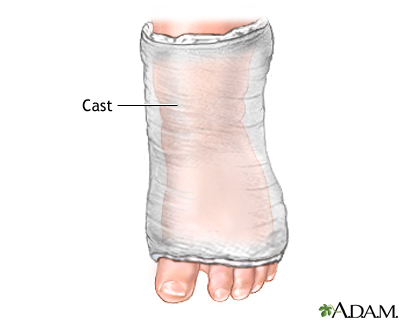
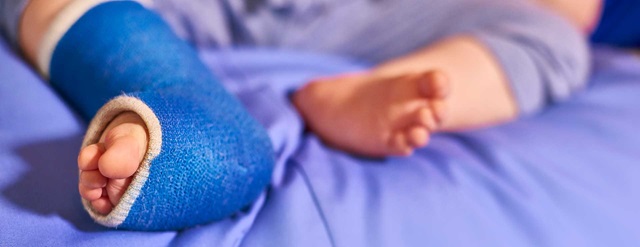
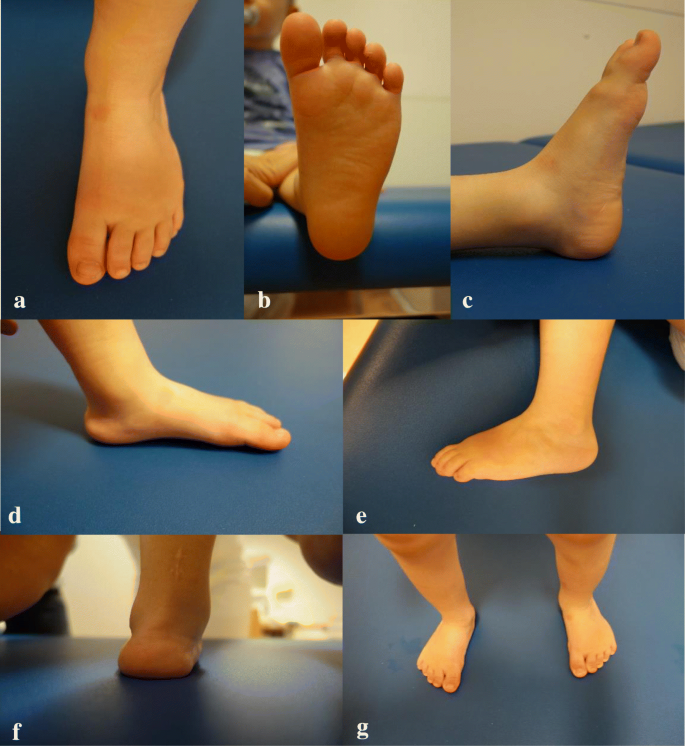
Casting for Club Foot Using the Ponseti method, the clubfoot is manipulated or stretched every five to seven days and the plaster casts are changedThis baby is on one of his last treatments for his clubfeet and will then wear a brace for a few years An alternative to serial casting is a specialized physical therapy treatment program, in which your child undergoes daily Patients with osteoarthritis, rheumatoid arthritis, or a severe injury may require this type of foot surgery Foot Surgeons in Central Maryland Our foot and ankle specialists at the Orthopaedic Associates of Central Maryland are boardcertified and fellowshiptrained to treat the full range of foot and ankle problems Clubfoot is a foot deformity classified into three different types idiopathic (unknown cause), neurogenic (caused by condition of the nervous system) and syndromic (related to an underlying syndrome) Treatment for club foot usually starts within a
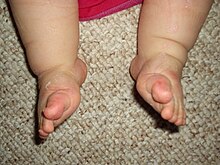
Clubfoot Wikipedia
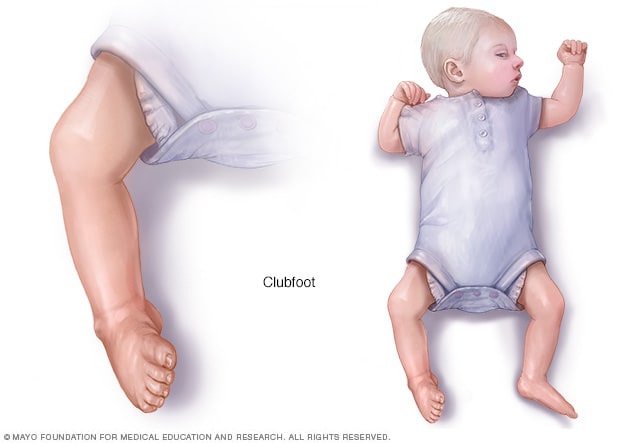
Clubfoot Symptoms And Causes Mayo Clinic
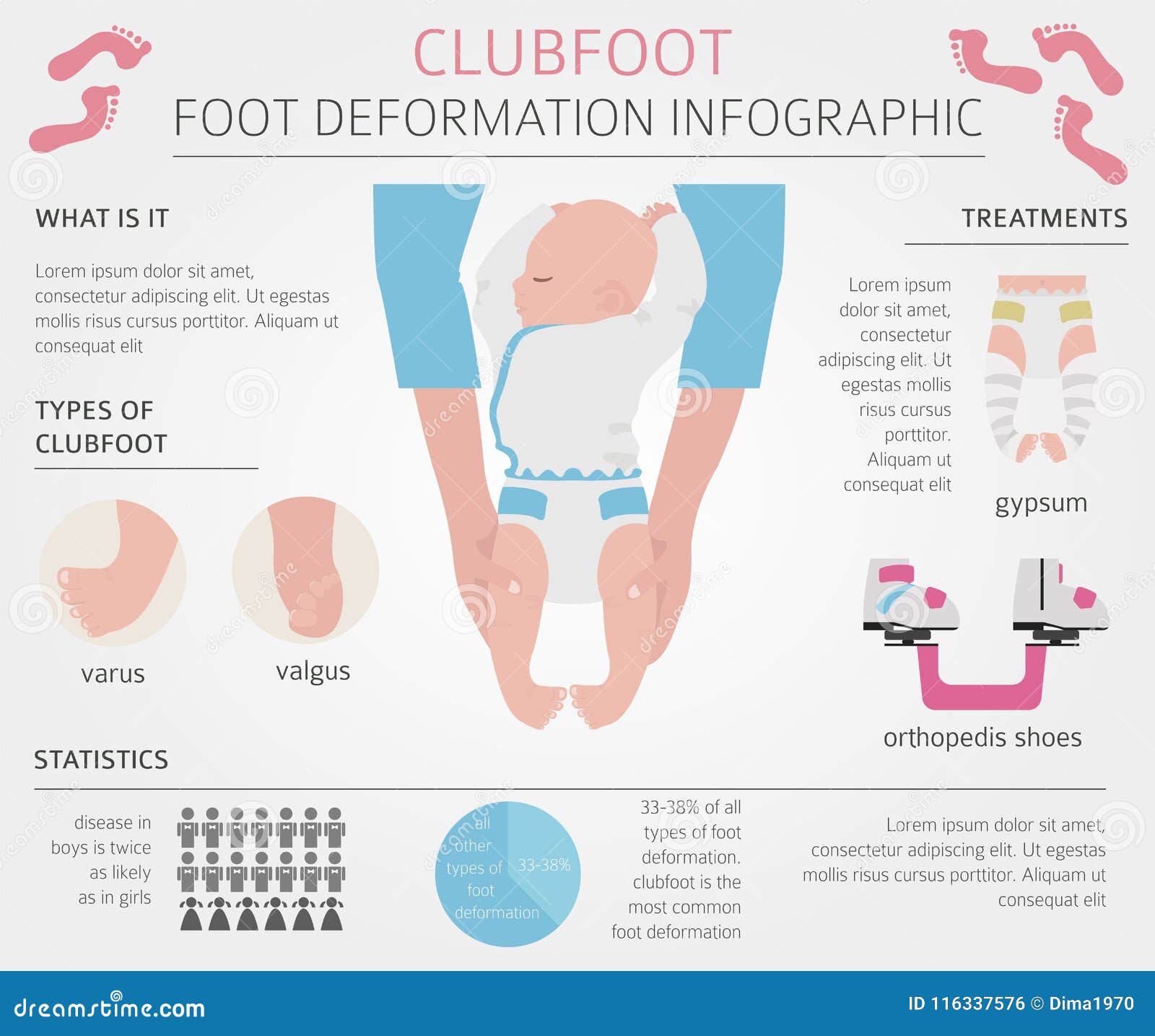
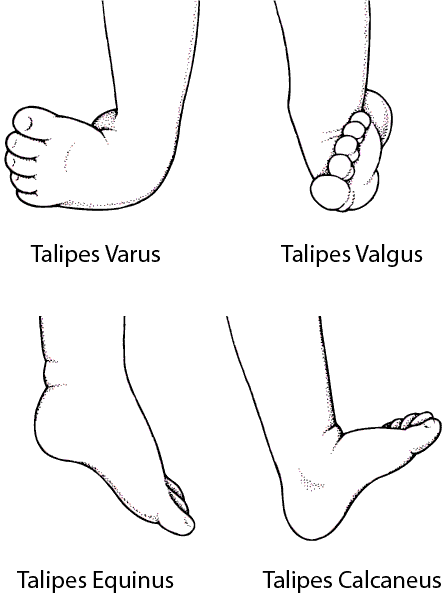
There are four variations of clubfoot talipes varus, talipes valgus, talipes equines, and talipes calcaneus In talipes varus, the most common form of clubfoot, the foot generally turns inward so that the leg and foot look somewhat like the letter J (when looking at the left foot headon) In talipes valgus, the foot rotates outward like the letter LClubfoot is a foot deformity classified into three different types idiopathic (unknown cause), neurogenic (caused by condition of the nervous system) and syndromic (related to an underlying syndrome) Idiopathic Clubfoot Also known as talipes equinovarus, idiopathic clubfoot is the most common type of clubfoot and is present at birthChildren who have clubfoot typically place weight on the side of their foot, rather than on the sole As a result, they develop painful calluses, weakened calf muscles and other complications However, most cases of clubfoot get treated before these types of problems develop

Pdf Current Conservative Management And Classification Of Club Foot A Review Semantic Scholar

32 Clubfoot Ideas Club Foot Club Foot Baby Pediatric Physical Therapy
Each type of clubfoot has unique characteristics and may need specific treatment Early recognition of the type of clubfoot one is dealing with can help guide appropriate treatment Individuals with clubfoot experience bone and soft tissues deformation and this abnormality can be presented through a range of abnormal alignmentsClubfoot, also called talipes equinovarus, is a birth defect that affects the foot and ankle It's a congenital condition, which means that a baby is born with it The foot or feet turn inward When you look at the foot, the bottom of the foot often faces sideways or even up Clubfoot happens because of a problem with the tendons, the tissuesTalipes equinovarus Incidence Clubfoot is a common defect present at birth and occurs in every 1,000 live births Bilateral TEV can be found be found in nearly 50% of cases About twice as many males are born with the congenital form than females Talipes equinovarus Types
Clubfoot Causes And Treatments
Clubfoot Orthoinfo os
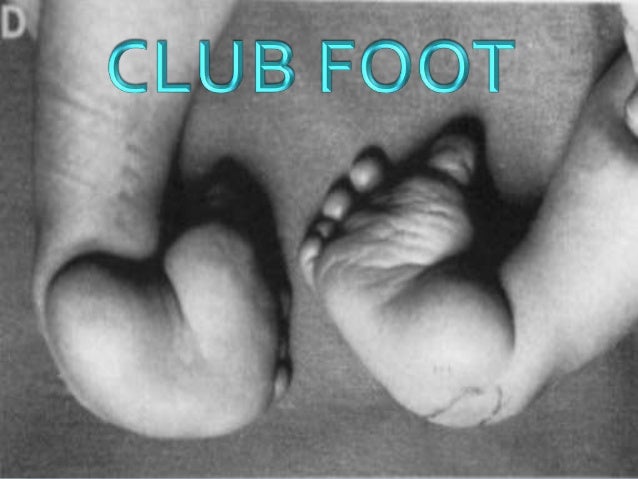
The term "clubfoot" refers to the way the foot is positioned at a sharp angle to the ankle, like the head of a golf club Despite its look, however, clubfoot itself doesn't cause any discomfort or pain 8 Infant with unilateral clubfoot Infant with bilateral clubfoot 9Extrinsic This type is usually mild and supple The cause can be due to intrauterine compression (large baby, abnormally shaped or small uterus, or abnormal intrauterine fluid levels) Intrinsic This type is commonly more severe, rigid and the calf muscle is smaller The foot may be smaller and there can be a bone deformity of the talus Here are a few different types of braces for clubfoot The Dobbs Brace was invented in 07 by Dr Matthew B Dobbs, and has a bar connecting the feet with a release mechanism that allows parents to easily detach and reattach the bar to place the child in a car seat or high chair, or change a diaper without removing the entire brace
Introduction To Clubfoot Physiopedia
Clubfoot Orthoinfo os
Congenital clubfoot is differentiated by structural, postural and secondary type The postural clubfoot can occur by abnormal position during birth and manipulative control The patient should be thoroughly examined to assess the features of paralytic clubfoot Congenital clubfoot can be rectifying completely Diagnostic tests Table 1 Pirani scoring Clubfoot also can be discovered in utero (while the baby is still in the mother's womb) during an ultrasound An ultrasound is a type of imaging used to look at babies in the womb It is routine for a woman to have an ultrasound during her pregnancy toCongenital talipes equinovarus, or club foot, is one of the commonest congenital orthopaedic conditions Its incidence in the UK is approximately live births and up to 50% of cases are
Clubfoot Repair Series Procedure Part 1 Medlineplus Medical Encyclopedia
By Cassie Maier What Is Club Foot Club Foot Is When One Or Both Babies Feet Are Turned Inward And Downward And Cannot Be Put Into Normal Position Easily Ppt Download
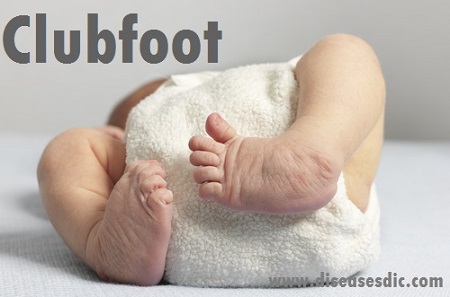
Clubfoot, a very common congenital deformity, remained controversial regarding its nomenclature, etiology, pathoanatomy classification, management and prognosisA practical grading system, based only upon clinical assessments, has been tried on 1966 clubfeet The observations of over 29 years have endorsed this system as being quickly performed, adequately helpful in planning theClub foot (also called talipes) is where a baby is born with a foot or feet that turn in and under Early treatment should correct it In club foot, 1 foot or both feet point down and inwards with the sole of the foot facing backwards Credit Club foot happens because the Achilles tendon (the large tendon at the back of the ankle) is too shortClubfoot is the only abnormality Positional This type of clubfoot occurs because the foot was in an abnormal position in the womb It is the easiest to treat Teratologic Clubfoot accompanied by other birth defects Clubfoot may be one sign of a general neuromuscular disorder (abnormalities of the nervous system or muscles) or part of a

Physiotherapy For Children Born With Clubfoot Happydna
Ponseti Method For Clubfoot Treatment
Foot Deformation Medical Desease Infographic Clubfoot Defect Stock Vector Illustration Of Condition Alignment

Osteogenesis Imperfecta And Clubfoot A Rare Combination Case Report And Review Of The Literature Abstract Europe Pmc
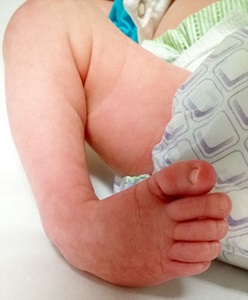
Clubfoot Johns Hopkins Medicine

4 3 Severity Pbs Score For Walking Child Clubfoot Guide 123
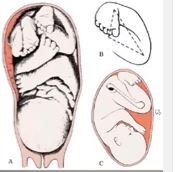
Introduction To Clubfoot Physiopedia

Common Childhood Foot Deformities Consultant360

Club Foot Talipes Equinovarus Ankle Foot And Orthotic Centre

Miniature Golf Knowledge Golf Rules Actual Golf Vs Minature Golf Types Of Clubs Foot During Golf Swing Closed Clubface Canvas Poster Fridaystuff

Pdf Current Conservative Management And Classification Of Club Foot A Review Semantic Scholar

Foot Problems Pediatrics Clerkship The University Of Chicago
Club Foot

Clubbed Foot Banya

Clubbed Foot Banya
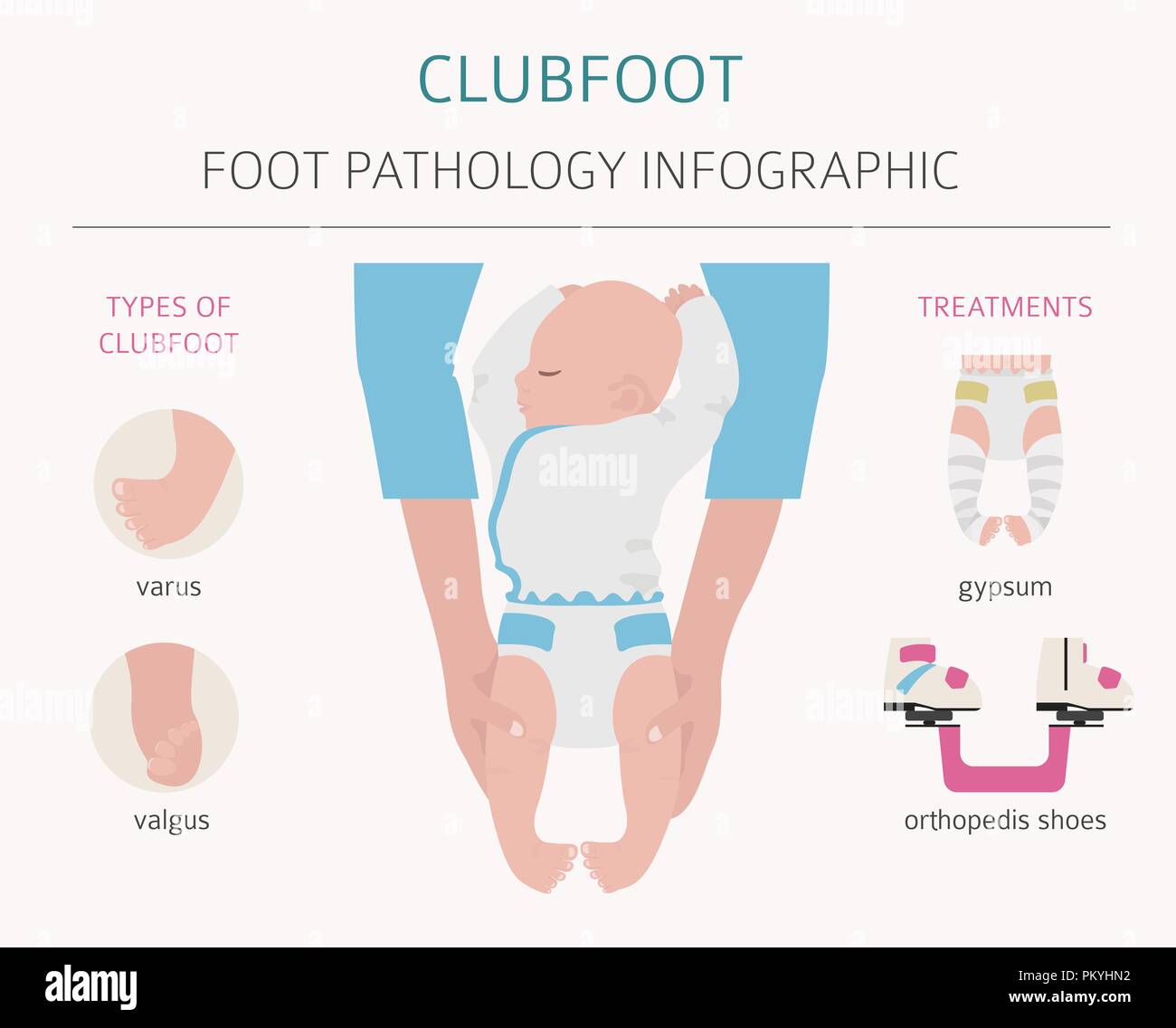
Clubfoot High Resolution Stock Photography And Images Alamy
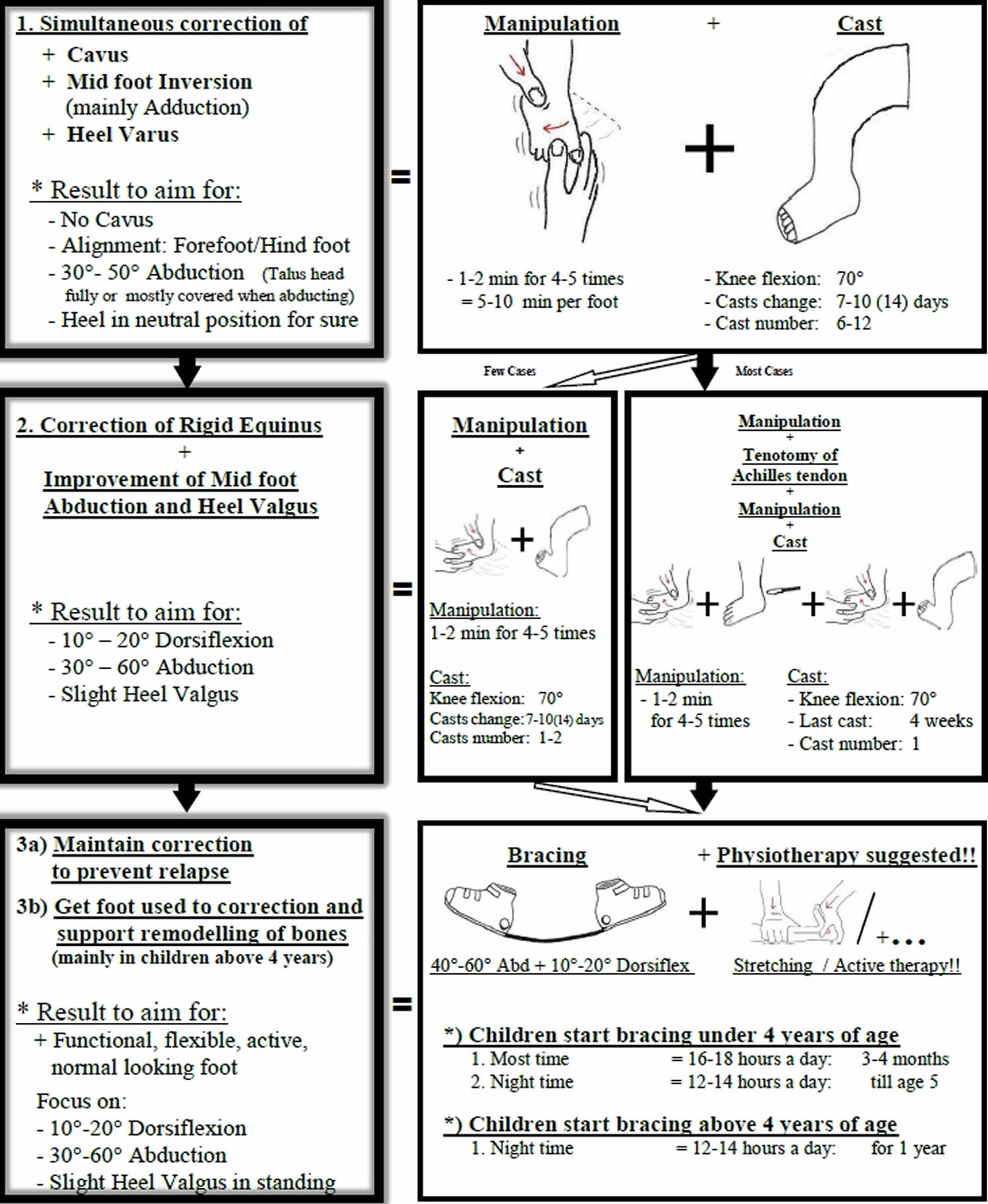
Ponseti Method For Clubfoot Treatment
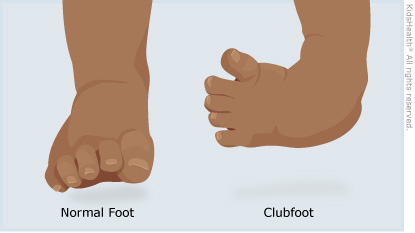
Clubfoot For Parents Nemours Kidshealth

Clubfoot Boston Children S Hospital

Prevalence And Characteristics Of Congenital Talipes Equinovarus Clubfoot In Northern Ghana A Two Year Retrospective Descriptive Study African Journal Of Current Medical Research

Clubfoot And Other Foot Defects Children S Health Issues Msd Manual Consumer Version

Video Club Foot

Rando Msk Facts Flashcards Quizlet
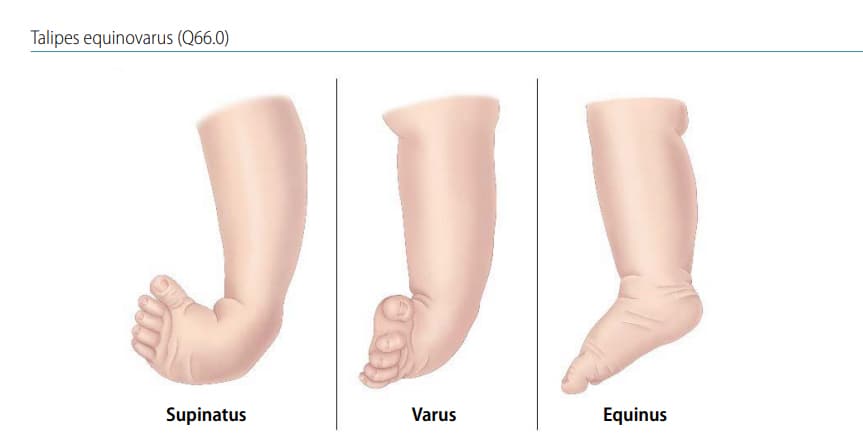
Chapter 4 9 Talipes Equinovarus Talipes Equinovarus Q66 0 Cdc

Bracing In Clubfoot Do We Know Enough Journal Of Children S Orthopaedics
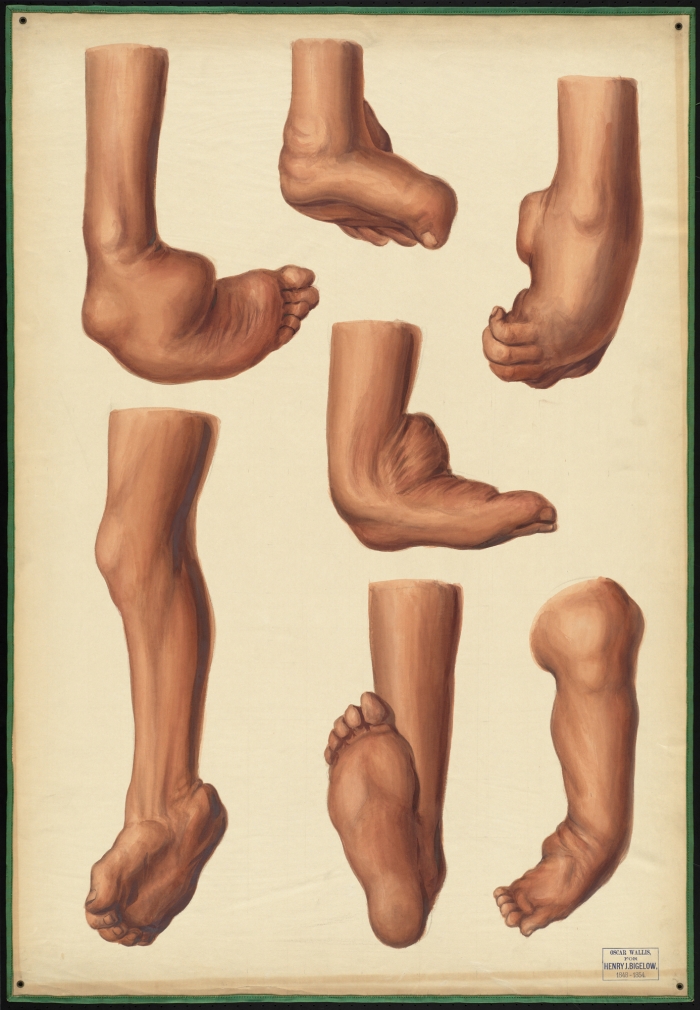
Teaching Watercolor Of Clubfeet Onview Digital Collections Exhibits
Clubfoot Orthoinfo os
Clubfoot High Resolution Stock Photography And Images Alamy

Clubfoot Wikipedia
Types Of Clubfoot Images

Club Foot

Figure 2 From Correction Of Clubfoot Deformity Associated With Weber Type I Tibial Hemimelia Using The Ponseti Method Semantic Scholar

Common Childhood Foot Deformities Consultant360

Clubbed Foot Page 2 The Horse Forum

Clubfoot When My Mother Was Still Pregnant With By Michael Dougherty Medium
Club Foot

Clinical Anatomy Operative Surgery Facebook

Greatly Blessed Clubfoot Basics Life With An Afo Club Foot Baby China Adoption Club Foot

Foot Deformities Various Talipes Conditions Pediatric Physical Therapy Pediatric Nursing Medical Terms

Clubfoot Boston Children S Hospital

Clinical Photographs Showing A The Club Feet Of A 1 5 Month Old Baby Download Scientific Diagram

Clubfoot Congenital Talipes Equinovarus Narayana Health

Clinical Anatomy Operative Surgery Facebook

Club Foot Symptoms And Treatment

Congenital Talipes Equinovarus Clubfoot Nursing Care Management Pediatric Physical Therapy Medical Anatomy Medical Dictionary
Clubfoot Repair Treatments Procedure Outlook

Clubfoot And Its Treatment Dr Michael Vohrer

Clubfoot Also Known As Congenital Talipes Equinovarus Is A Complex Congenital Deformity Of The Foot That Left Untreated Can Limit A Person S Mobility By Making It Difficult And Painful To Walk 1

Clubfoot Flip Ebook Pages 1 Anyflip Anyflip
1
Clubfoot Its Types And Causes Simplified In Hindi Youtube
Kids Health Information Clubfoot Boots And Bar
Congenital Talipes Equino Varus Congenital Clubfoot Dr Imran

What Is Congenital Clubfeet How To Treat Them Surgery In India
Clubfoot Stock Illustrations 98 Clubfoot Stock Illustrations Vectors Clipart Dreamstime

4 1 Clubfoot Types Clubfoot Guide 123

Clubfoot Artemisia Panou Md Phd

Congenital Clubfoot Genetic Disorders Types Of Clubfoot
Clubfoot Johns Hopkins Medicine
Congenital Talipes Equino Varus Congenital Clubfoot Ppt Video Online Download
Clubfoot Congenital Equinovarus Cev Team Bone
Clubfoot And Other Foot Defects Children S Health Issues Medicine Com

Clubfoot Symptoms Stages Definition Description Demographics Causes And Symptoms Diagnosis

Clubfoot And Other Foot Defects Children S Health Issues Msd Manual Consumer Version
Diseases Treatment Dictionary Diseasesdic Com
Clubfoot And Other Foot Defects Children S Health Issues Merck Manuals Consumer Version
Clubfoot Orthoinfo os

Foot Deformation Medical Desease Infographic Clubfoot Defect Stock Illustration Download Image Now Istock

A Summary Of The Clubfoot Assessment Protocol Cap Download Table

Clubfoot Congenital Talipes Equinovarus Narayana Health
Congenital Clubfoot Congenital Talipes Equino Varus Ppt Video Online Download

Clubfoot Congenital Talipes Equinovarus Narayana Health

Clubfoot In Children An Overview The Foot And Ankle Online Journal
Club Foot Talipes In Babies Causes Signs Treatment Youtube

Club Foot

Honourable Ram Nath Kovind Inaugurates Global Clubfoot Conference Virily
Clubfoot What Is Clubfoot What Causes Clubfoot Who Gets Clubfoot What Are The Symptoms Of Clubfoot
Club Foot Nhs
3 Embryological Foot Types Athlepedia The Athletics Wiki Fandom
Clubfoot Orthoinfo os
1
Club Foot Nhs
1
Is Unilateral Lower Leg Orthosis With A Circular Foot Unit In The Treatment Of Idiopathic Clubfeet A Reasonable Bracing Alternative In The Ponseti Method Five Year Results Of A Supraregional Paediatric Orthopaedic Centre

Clubfoot Nurse Key

Common Pediatric Lower Limb Disorders Dr Khalid Bakarman


0 件のコメント:
コメントを投稿